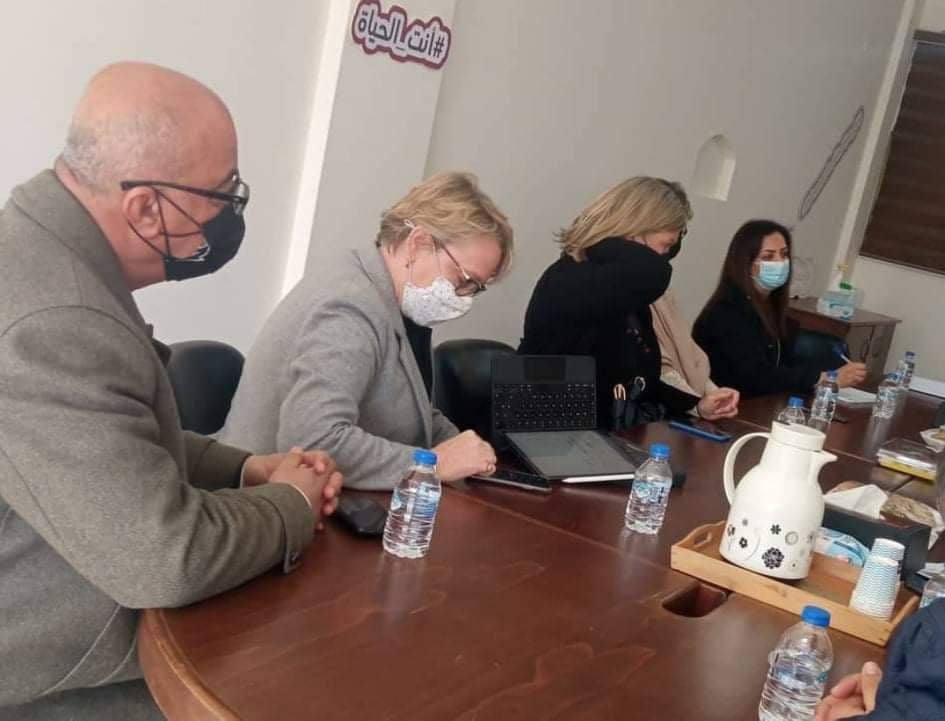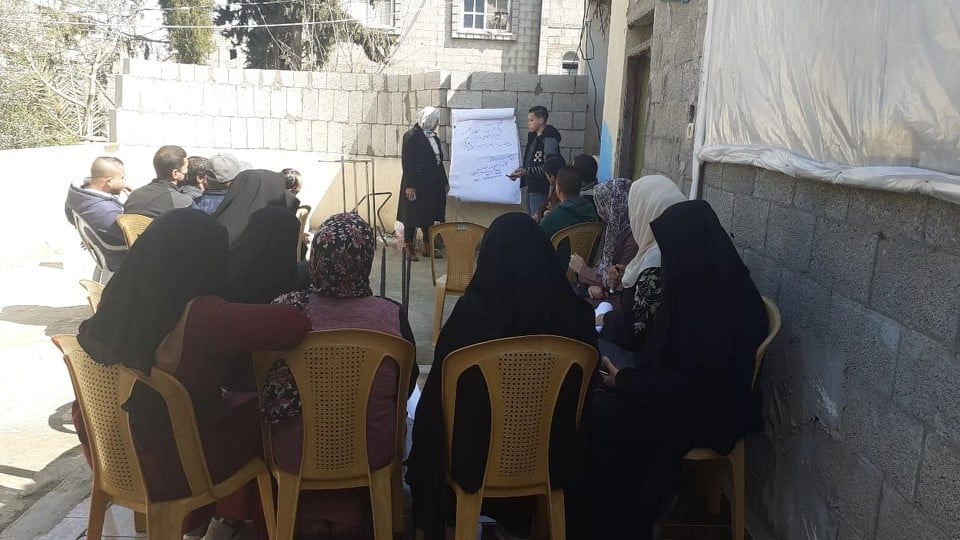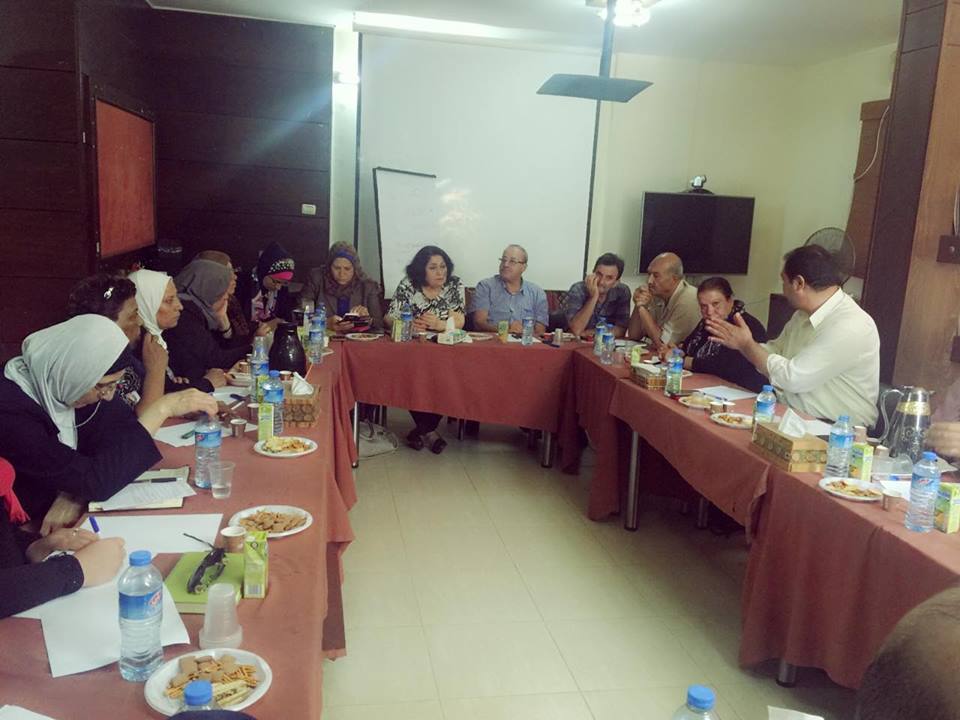
During a meeting held this morning as part of the national campaign “To Support Women’s Participation in Local Council Elections,” representatives of national forces, institutions, and women’s frameworks emphasized the importance of elections as a right that cannot be suspended. They stated that elections are a step towards ending the political division and paving the way for the entitlement of the democratic process for legislative and presidential elections.
They also stressed the need to support women’s participation in local council elections by ensuring that factions commit to representing women in the electoral lists, in accordance with the decision of the Central Council of the Palestine Liberation Organization, which stipulates that women should participate in decision-making positions by no less than 30%. They called on the Palestinian President to issue a presidential decree to fix this percentage, and that the quorum should be less than 8%.
Several attendees expressed their hope that the elections would be conducted with a unified national list to achieve a better reality for all Palestinians. On another front, representatives of a number of factions clarified that an agreement had been reached between five political forces (the Popular Front, the Democratic Front, the People’s Party, FIDA, and the National Initiative Movement) to contest the elections in a unified list.
They clarified that the selection of candidates in the political parties will be based on the criteria of competencies and public acceptance, stressing the importance of the role of women and their participation in the elections, given their significant role in shaping public policies in society. They added that the role of the women’s base of each party is the deciding factor in these elections. This was confirmed by MP Dr. Faisal Abu Shahla, representing the Fatah movement.
Members of the national campaign called on the factions to adhere to what they affirmed regarding increasing women’s representation within their party lists, adopting merit-based standards in selecting candidates, and providing actual support for the female competencies that are nominated.