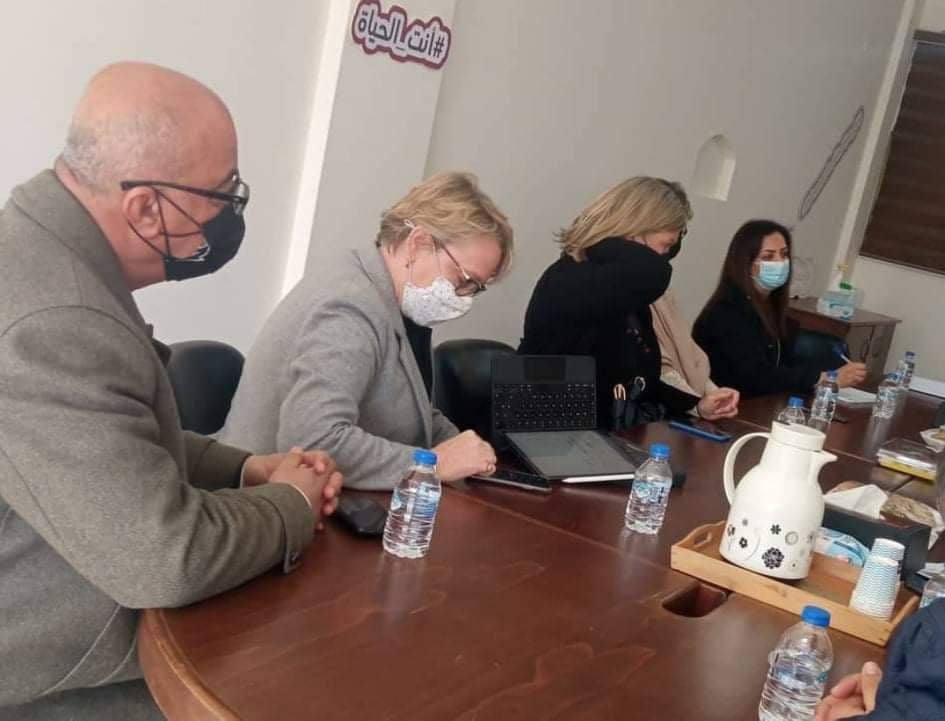
Sheikh Omar Nofal, President of the Sharia Court of Appeal, has approved a study regarding the non-registration of a woman’s marital status until after her wedding and move to the marital home (consummation of the marriage). The study also addresses the non-registration of a woman’s marital status based solely on the marriage contract before consummation, except in exceptional cases and with the Minister’s approval. Furthermore, it recommends expanding pre-marital medical examinations to include communicable, infectious, and non-communicable diseases, rather than limiting them to thalassemia testing.
A number of Mukhtars (community leaders), reformers, and directors of civil and women’s organizations have recommended amendments to the Personal Status Law. They urge decision-makers within the Sharia judicial system, the Legislative Council, and the Executive Authority to expedite the amendment of current legal texts within Sharia courts and litigation procedures. The aim is to guarantee the protection and preservation of women’s rights upon the dissolution of a marriage contract before consummation.
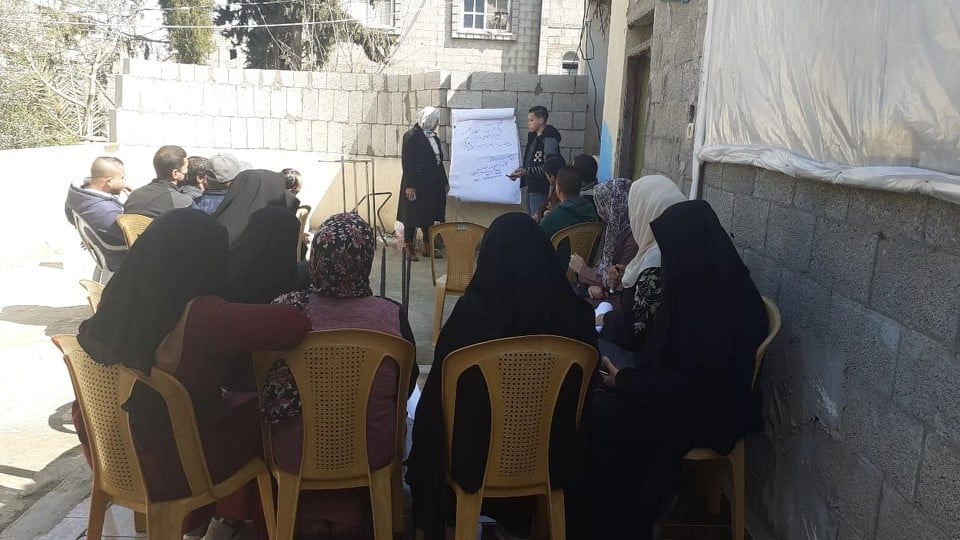
During a workshop conducted by The Center for Women’s Legal Researches, Counselling and Protection (CWLRCP), the center’s director, Ms. Zeinab Al-Ghunaimi, stated that the Supreme Sharia Judicial Council should consider allowing both betrothed parties with a valid marriage contract to request the dissolution of the contract from the competent court if either party no longer desires to proceed with the marriage. The fiancé (husband) seeking to terminate the contract should bear the financial consequences of their decision by forfeiting the return of the dowry and gifts given to the fiancée (wife). The fiancée (wife) seeking to terminate the contract should return the funds received from the husband, including gifts.
However, the fiancée’s (wife’s) request to terminate the contract will not be considered a personal preference, and the man will bear the financial consequences outlined above in the following cases:
Al-Ghunaimi also presented recommendations to the Ministry of Interior, stressing the need for the competent Civil Affairs Department to refrain from registering a woman’s marital status until after her wedding and move to the marital home (consummation). Furthermore, the registration of a woman’s marital status based solely on the marriage contract before consummation should be avoided, except in exceptional cases and with the Minister’s approval.
She clarified that the purpose of marriage is to establish a righteous family that contributes to society. Therefore, the foundation of family formation must be based on compatibility and understanding between the parties to the marriage contract. If this compatibility is lacking, terminating the contract before the wedding ceremony is less harmful to the parties. However, the contract should be terminated in a way that preserves the rights of both parties without prejudice.
This workshop aims to present legal amendments through the rights document “Towards Justice and Equity for Women in Family Rights,” prepared by The Center for Women’s Legal Researches, Counselling and Protection (CWLRCP) as part of the project “Towards a Better Future for Youth Regarding Marriage and Divorce Conditions,” funded by the German Heinrich Böll Foundation. The project aims to contribute to reducing legal and social discrimination against women in their rights concerning marriage and divorce issues.