The Center for Women’s Legal Researches, Counselling and Protection (CWLRCP) Emphasizes the Role of Civil Society Organizations in Monitoring and Accountability of Laws and Their Implementation During a Workshop Organized by NGO Networks
Legal researcher and Director of The Center for Women’s Legal Researches, Counselling and Protection (CWLRCP), Zeinab Al-Ghunaimi, affirmed the important role played by civil society organizations of all types – human rights, feminist, community, and media organizations – in monitoring and ensuring accountability regarding laws and their implementation.
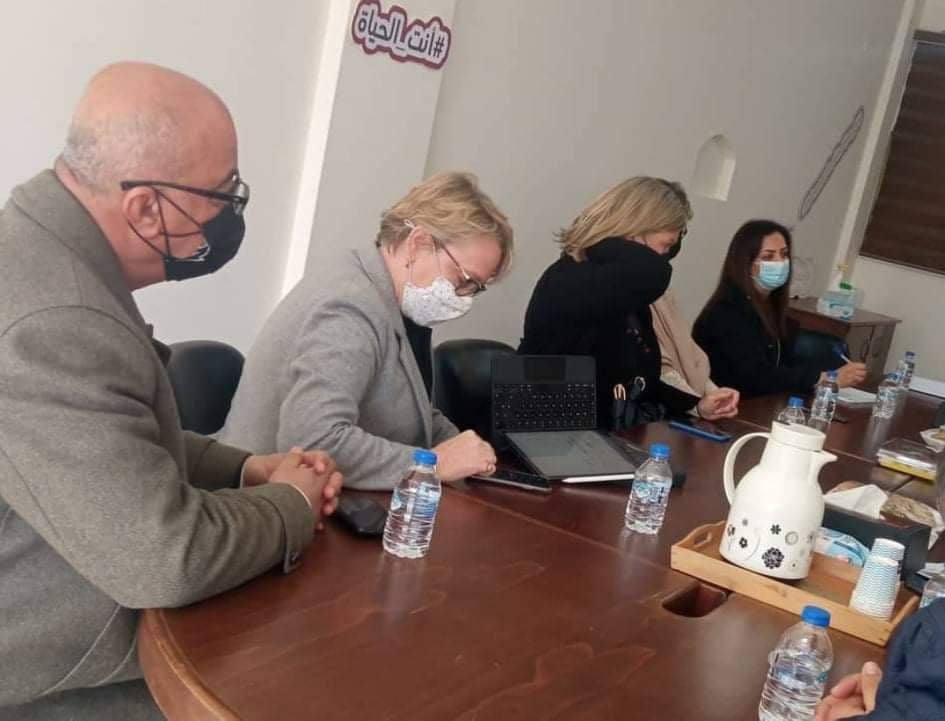
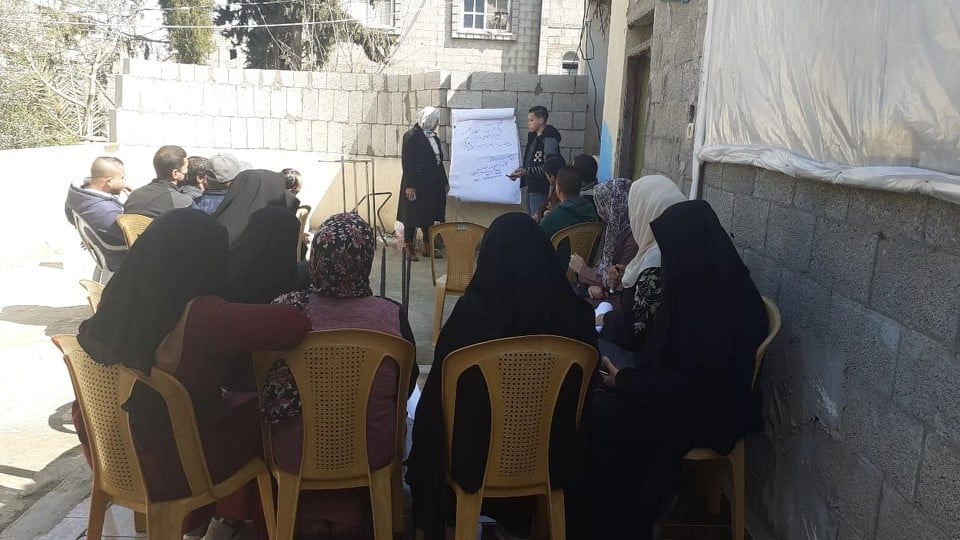
This statement was made during a workshop organized by the Palestinian NGO Networks on “The Reality of Women Under Palestinian Legislation.” The workshop was attended by a number of directors of civil and feminist organizations. In a working paper she presented entitled “Laws and Legislation from a Gender Perspective and Mechanisms for Monitoring Them,” Al-Ghunaimi explained that organizations play multiple roles, including the participation of civil society organizations in monitoring the issuance of laws, discussing draft laws, and providing comments to ensure the achievement of justice. She noted that organizations played this role during the issuance of the legislative package by the Authority, exerting pressure on decision-makers through media campaigns and through meetings to monitor the performance of the executive authority and ensure its compliance with the application of the law, mobilizing and raising public awareness of human rights and women’s rights, and organizing campaigns to support women in order to pressure decision-makers to provide legal protection for women from violence and to refrain from issuing decisions that would harm women. Gender justice, as intended here, means full respect for the needs of both men and women, including fair treatment or different treatment that is based on equality in rights, gains, civil and political freedoms, as well as an equal distribution of economic resources and opportunities.
In a working paper on the reality of women under the division in the Gaza Strip, Manal Awad, Executive Director of the Palestinian Association for Development and Reconstruction – Bader, monitored the social effects of the division, which include an increase in rates of violence against women, as a result of the abstention of employees of the Palestinian National Authority and their presence in homes, in addition to an increase in the crime rate and unemployment rates. The paper also monitored the economic effects of the division.