The division is a primary reason for the complexity of divorce procedures in Sharia courts; the necessity of working towards exerting pressure to facilitate legal procedures related to divorce in Sharia courts.
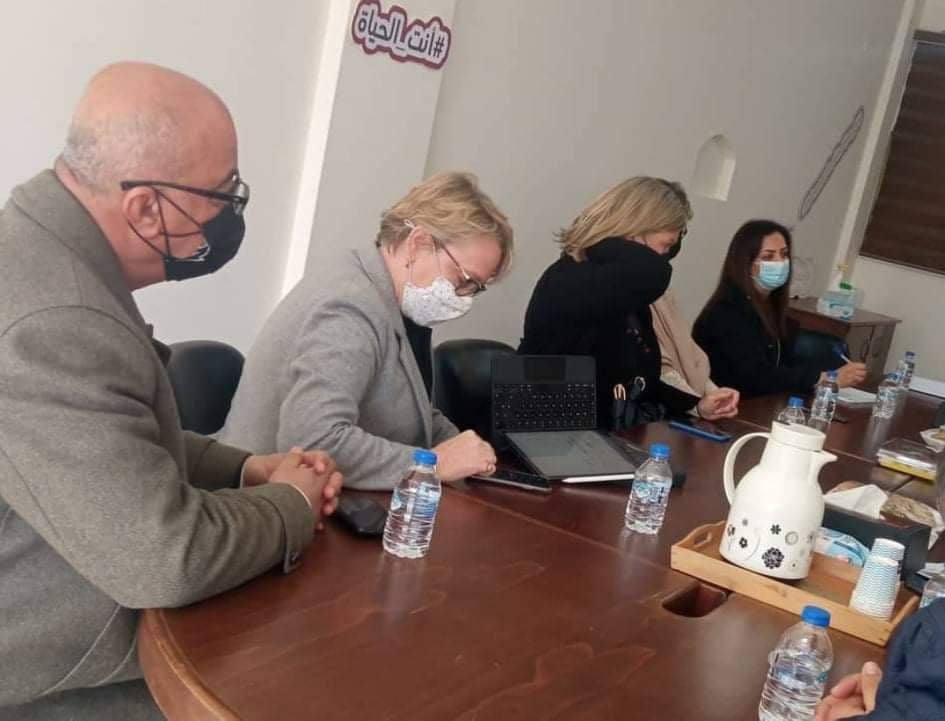
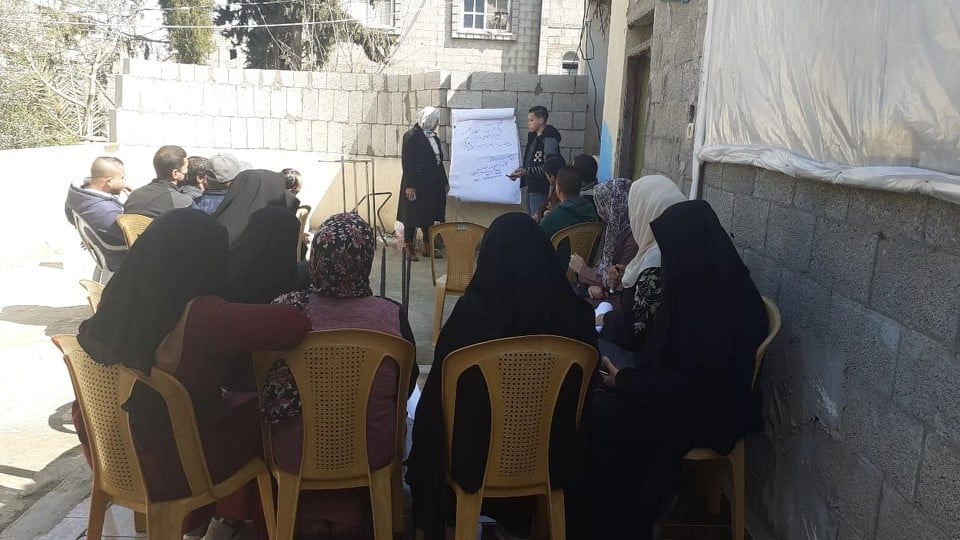
Lawyers in Gaza presented a number of recommendations regarding facilitating divorce procedures in Sharia courts, during the second community meeting within the framework of the “Women’s Right to Divorce” campaign implemented by The Center for Women’s Legal Researches, Counselling and Protection (CWLRCP), as part of the “Legal Protection for Women” project, funded by the Rule of Law Programme in the Occupied Palestinian Territory – Justice and Security for the People.
Ms. Zeinab Al-Ghunaimi, Director of the Center, welcomed the attending lawyers, stressing that the aim of the meeting is to identify the problems women face with regard to divorce procedures in Sharia courts, and then their recommendations will be directed to the Sharia Court Department in Gaza to exert pressure towards facilitating divorce procedures in Sharia courts. She pointed out that Khula (divorce at the instance of the wife) is mentioned in the texts of Sharia and law, but in practice it is not applied, as there is no divorce certificate mentioning the term Khula, but rather it is written as “irrevocable divorce of minor degree.”
Regarding the alimony fund and the problems that hinder the implementation of women’s interests, she stressed that this is due to the non-recognition by the Sharia courts in the West Bank of the judgments issued by the Sharia courts in Gaza, and this negatively affects women who are harmed by the state of political division between the two parts of the country.
Ms. Hanan Matar, a lawyer at the Palestinian Center for Human Rights, presented some of the problems facing lawyers in Sharia courts in addition to divorce cases, which are represented in non-payment of alimony – impotence – abandonment – imprisonment – absence – discord and conflict – insanity – missing person.
The lawyers presented the most important problems they face in the Sharia courts, which were represented in the small number of judges in the Sharia courts, where the Sharia judge listens to the witnesses and at the same time processes a divorce or marriage, then returns to listen to the witnesses, which affects the progress of the case, distracting ideas and wasting time. Regarding the alimony fund, they confirmed that it does not serve women, and if the service exists, the benefit is limited, in addition to the methods used by some lawyers to manipulate and circumvent to prolong the litigation period to gain time, especially in cases of abandonment and alimony, discord and conflict. Also, the lack of easy procedures that affect the case in terms of delaying notification or requiring the case file to require clarification from all courts, while it is possible to use the data of the Ministry of Interior in cases of harm due to absence.
At the end of the meeting, the lawyers recommended the need to expand the jurisprudential reading of the texts regarding social justice and to be fair to women and men, as justice and equality are for all, in addition to the need to gender judges from an Islamic perspective and take into account the issue of general harm and not the moral harm of discord and conflict. They also called on the Center to work on activating the alimony fund, and to exert pressure regarding filing divorce cases due to impotence, which is one of the reasons for divorce without the passage of a year, with a medical examination by a specialist to file a divorce case.