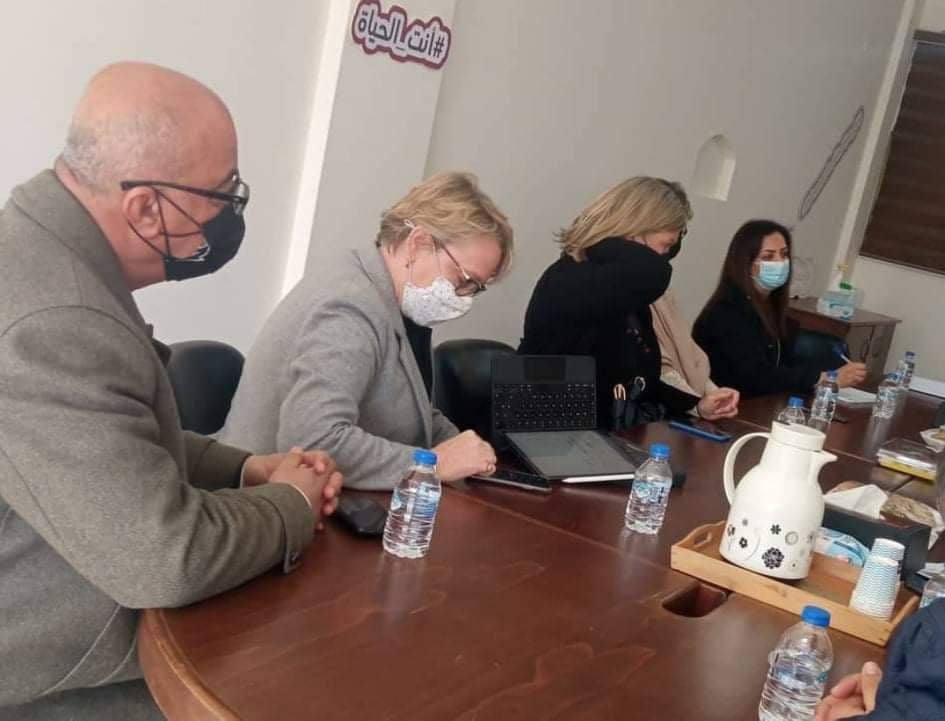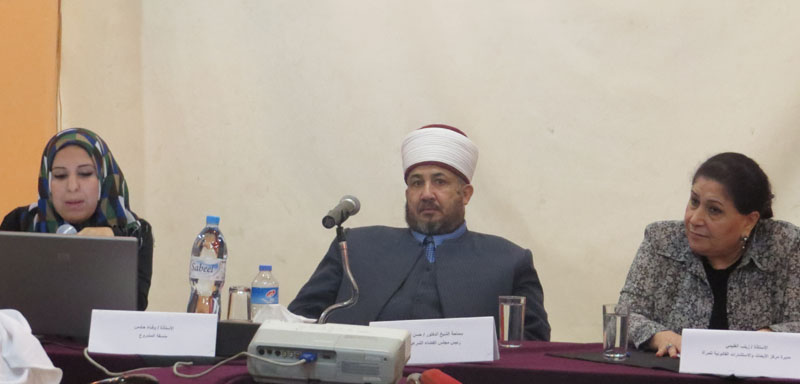
Sheikh Dr. Hassan Al-Joujou, Head of the Sharia Court Council in Gaza, affirmed that the council will work to issue a legal amendment concerning khula (a form of divorce initiated by the wife) and a woman redeeming herself (from marriage) by the end of this year. This statement was made during a meeting organized today by The Center for Women’s Legal Researches, Counselling and Protection (CWLRCP), which called for the issuance of a legal amendment or circular regarding the termination of marriage contracts before consummation. The aim is to simplify procedures and prevent changes to marital status and name on identity cards before consummation.
Dr. Al-Joujou emphasized that the Sharia Court Council supports judicial khula—redemption—because Sharia khula is done with the consent of both parties, whereas redemption involves a woman redeeming herself within the limits of the mahr (dowry). “This is what we will work to implement by the end of this year, even though we may face opposition from the Legislative Council,” he stated.
In response to the content of the document presented at the meeting, he said, “We are in favor of any radical amendment to the Personal Status Law to reach a law that combines modernity and originality. However, the Palestinian division limits our steps in achieving this, and in facilitating women’s issues in a direction that supports Palestinian women and alleviates injustice and suffering. Regarding cases of separation, whether before or after consummation, Dr. Al-Joujou affirmed that there is much that will be studied and carefully considered.”
He added, “We insist on the unity of Palestinian law and the independence of the judicial authority, and we reject the approval of any law in the Gaza Strip in isolation from the West Bank, considering it a safety valve for the existence of a strong judiciary and a strong state.”
Professor Zeinab Al-Ghunaimi, Director of The Center for Women’s Legal Researches, Counselling and Protection (CWLRCP), welcomed the attendees, including representatives of official institutions (the Legislative Council, the Sharia Judiciary, relevant ministries), and a number of leaders from community and women’s organizations.
She called on the Supreme Sharia Court Council to respond to the recommendations regarding the termination of a marriage contract before consummation, which are as follows:
Al-Ghunaimi also emphasized the recommendations submitted to the Ministry of Interior regarding the necessity for the competent Civil Status Department to commit to not registering the marital status of a girl until after her wedding and her move to the marital home (after consummation), in addition to not registering the marital status of a girl with a marriage contract before consummation except in exceptional cases and by a decision of the Minister.
She clarified that the purpose of the marriage contract is to form a righteous family that provides society with righteous offspring. Therefore, the foundation of forming a family must be based on the agreement and understanding of the parties to the marriage contract. If this agreement is not available, then terminating this contract before completing the marriage ceremonies is less harmful to the parties to the contract, but this contract must be terminated in a way that preserves the rights of each party to the contract without prejudice.
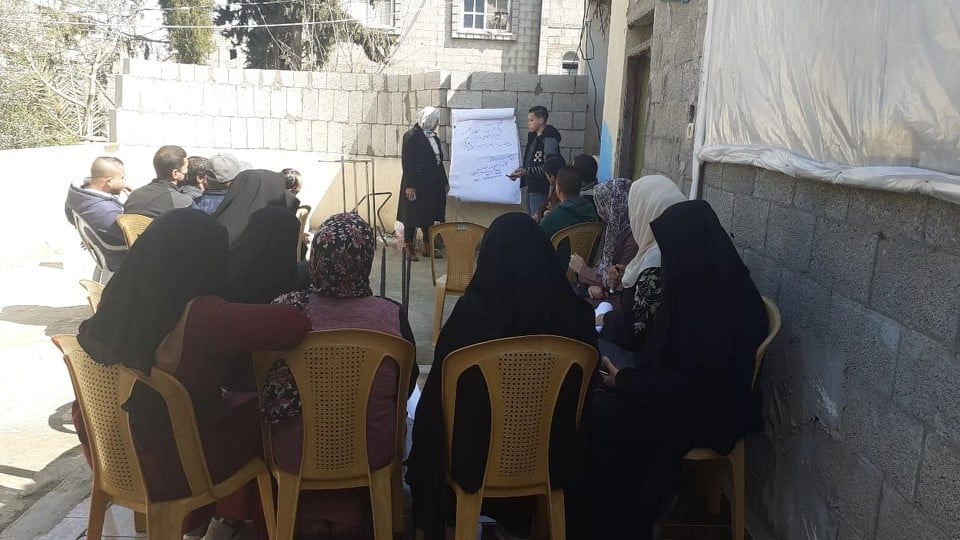
This meeting comes to affirm the presentation of legal amendments within the campaign implemented by the center through the rights document “Towards Justice and Equity for Women in Family Rights,” which was prepared by the center within the project “Towards a Better Future for Youth Regarding Marriage and Divorce Conditions,” funded by the Heinrich Böll Foundation, which aims to contribute to reducing legal and social discrimination against women in their rights regarding marriage and divorce issues.