Figures from civil society organizations have stressed the necessity of boycotting the Israeli occupation, withdrawing investments from it, and imposing sanctions upon it, in order to compel Israel to fulfill its obligations under international law.
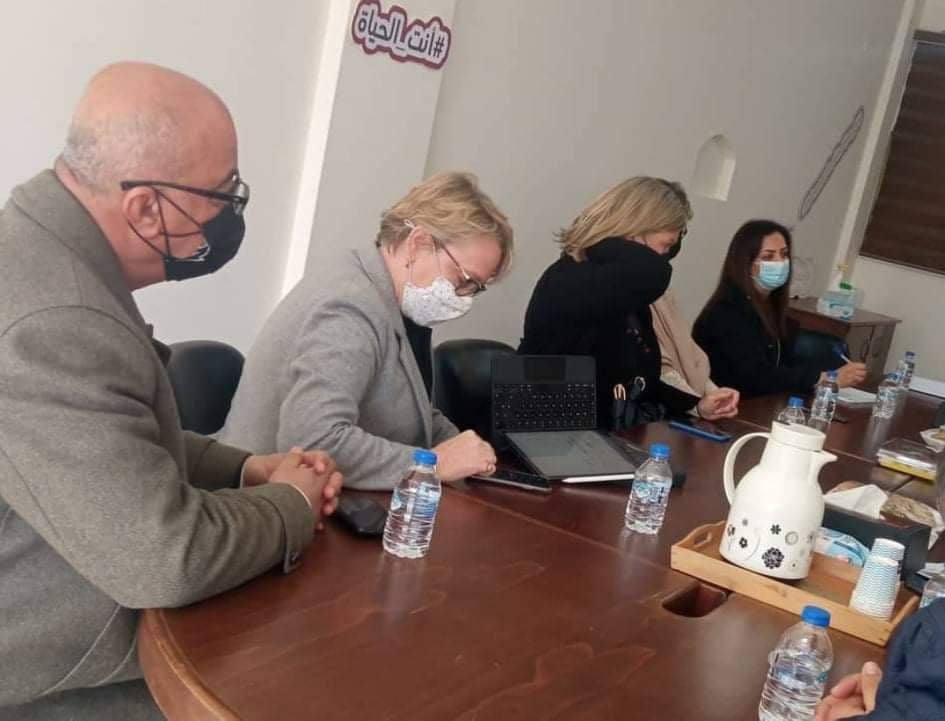
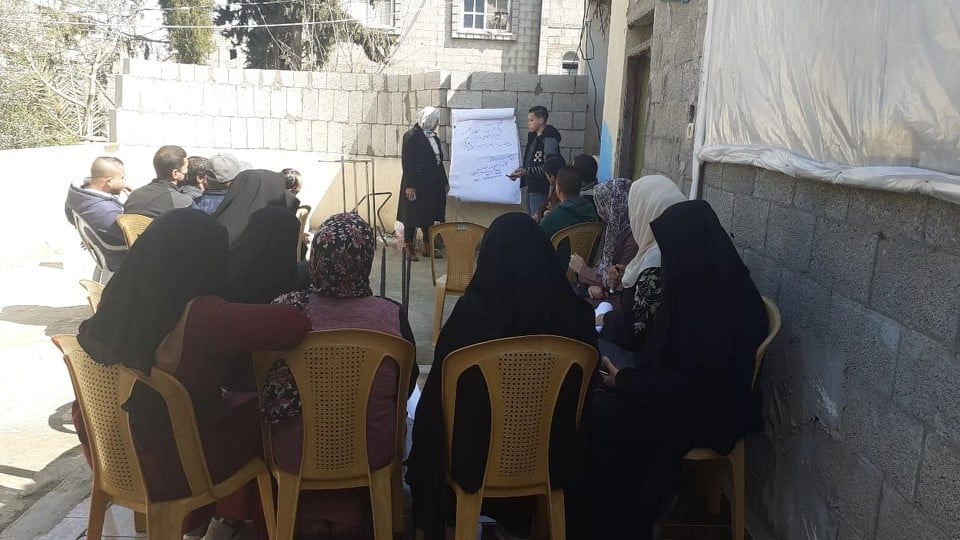
During a workshop today entitled “The National Campaign to Boycott the Occupation, Withdraw Investments from It, and Impose Sanctions Upon It,” held by The General Union of Palestinian Women and feminist frameworks and institutions as part of “The National Campaign to Boycott the Occupation” launched on July 9, 2005, participants affirmed that the boycott movement is a form of popular resistance against the occupying state. It aims to achieve the national rights demanded by Palestinians everywhere, holding Israel accountable for violating international law and continuing its aggression against the Palestinian people. The movement also aims to expose and boycott institutions and companies that support Israel’s occupation, settlement construction, and other crimes under international law.
Ms. Zeinab Al-Ghunaimi, a member of the General Secretariat of the General Union of Palestinian Women and Director of The Center for Women’s Legal Researches, Counselling and Protection (CWLRCP), stated that the boycott campaign is important due to the international support it has garnered through the efforts of those working to ensure its success. She added that it has become a major source of concern for the Israeli government and all institutions and companies involved in the occupation, settlement construction, and other Israeli violations of international law and human rights principles. Ms. Al-Ghunaimi noted that the achievements of the boycott campaign led the Israeli Prime Minister to declare that the global boycott campaign has become a “strategic threat.”
During a working paper she presented entitled “The Palestinian Woman’s Vision for Boycotting the Occupying State,” Al-Ghunaimi explained why Israel should be boycotted and what forms the boycott should take. “First, the boycott in all its forms is necessary to pressure Israel to comply with international law and the requirements of a just peace, so that it ends its triple oppression of the Palestinian people by ending its occupation and colonization of all Arab lands, dismantling the wall, recognizing the fundamental right to full equality for its Palestinian citizens with their individual and collective rights, and recognizing the right of Palestinian refugees to return to their homes under UN Resolution 194.”
“Second, we must remember from historical lessons how the campaign to boycott the apartheid regime in South Africa in the last century played an important and fundamental role in achieving victory, removing the racist regime, and restoring the rights of the indigenous citizens in their country. Israel, as a colonial and racist occupying state, intersects with the apartheid regime in South Africa, which was defeated despite the decades it existed.”
“Third, we believe that in order for the boycott to succeed, efforts must first interact at the official level to work politically and diplomatically at the Arab and international levels, and also at the local level to implement a comprehensive national program to boycott the Israeli occupying state. Secondly, at the popular level, political parties, forces, and civil society organizations play an important role in this field.”
Mr. Mohsen Abu Ramadan, Chairman of the Board of Directors of the Palestinian NGO Network, stated in a paper he presented that boycotting Israeli products contributes to stimulating the private sector to complete productive projects, which necessarily contributes to creating job opportunities and partially addressing the phenomenon of unemployment. He added that it will also strengthen the culture of boycott and steadfastness in Palestinian society.
He stressed that rebuilding the national movement on new foundations requires redefining the stage that Palestinians are going through as a stage of national liberation, not a “power with diminished sovereignty.” He noted that this requires using all forms of struggle, including the campaign to boycott and withdraw investments from Israel and impose sanctions on it, in addition to escalating the popular and international solidarity campaign, strengthening popular resistance on the ground, and working to isolate the occupying state in international forums as a colonial settlement state based on the idea of racial discrimination.
Dr. Ibrahim Abrash, a writer, recommended that halting resistance and confrontation with Israel and continuing futile negotiations will encourage some to resume normalization with Israel. He also recommended reconsidering the form and objectives of security coordination with Israel, especially after Israel evaded the requirements of peace, and reconsidering the Paris Economic Protocol. Dr. Abrash also called for boycotting Israeli products as much as possible, especially those manufactured in settlements, noting that it is unreasonable for foreign entities to boycott Israeli goods while Palestinians deal with them. He called for an academic boycott of Israeli universities that discriminate against Palestinians, a boycott of conferences and meetings attended by Zionists who do not recognize the right of Palestinians to independence, asserting this is a role for the Palestinian Authority. Finally, he called for besieging, and even cracking down on, Palestinian businessmen who maintain economic relations and partnerships with Israel under the title of economic solution or economic peace, arguing that these capitalists do not express national capitalism but rather opportunistic capitalism that wants to inflate their wealth at the expense of the suffering and rights of the Palestinian people. He concluded by calling for the non-participation of Palestinian companies and capitalists in Israeli economic exhibitions and a boycott of Israeli banking institutions by not depositing funds in them.