The Center for Women’s Legal Researches, Counselling and Protection (CWLRCP) discussed the problems faced by families separated due to the different laws in effect in the Palestinian territories occupied by Israel.
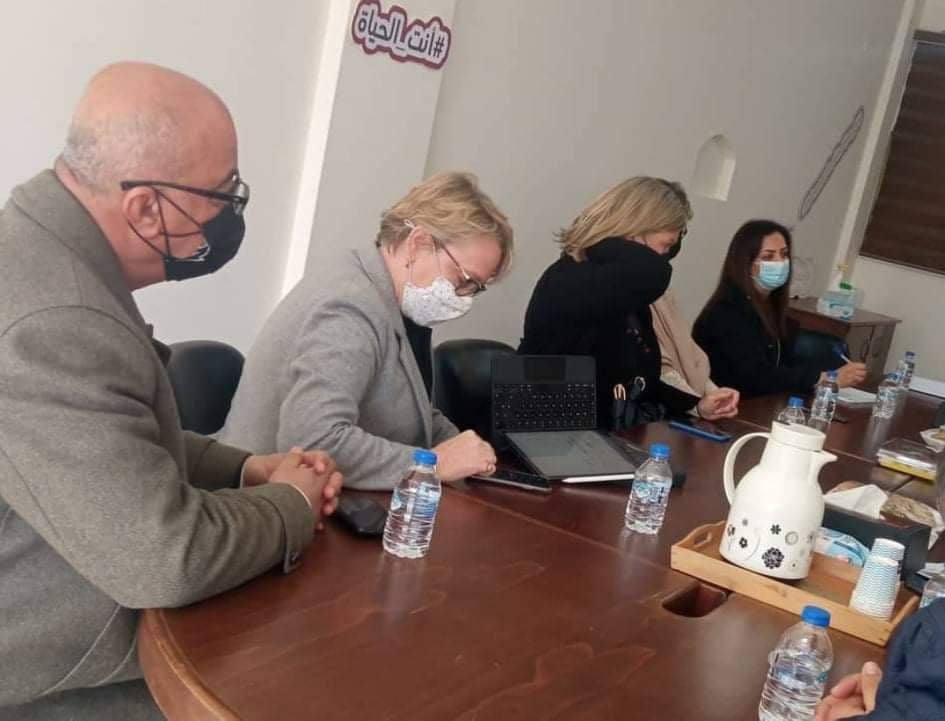
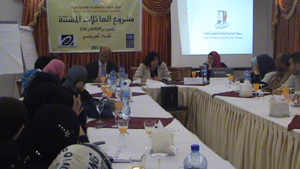
This discussion took place during a special meeting within the framework of the project “Dispersed Families in Light of Conflicting Legislations,” implemented by the Center in partnership with the Jerusalem Center for Women and the Legal Guidance Center in Ramallah, with funding from UNDP and OSI.
The project aims to shed light on the problems facing dispersed (fragmented) Palestinian families as a result of the different laws in effect in the Palestinian territories occupied by Israel. The project pays particular attention to divorced women who are unable to access their children.
Ms. Zainab Al-Ghunaimi, Director of the Center, welcomed the directors and representatives of the institutions that attended the meeting, stressing the need to intensify efforts and cooperate with the Center in order to gather the affected group and work to assist them and stand by their side.
Al-Ghunaimi spoke about the importance of the project in discussing the outstanding issues of “family reunification” that have persisted for years, for which Palestinian women pay a heavy price, in addition to the psychological and social pressures that accompany this problem.
For his part, Mr. Ibrahim Abu Shamala, Deputy Director of the Rule of Law and Access to Justice Program at UNDP, emphasized the importance of the project for the benefit of Palestinian families suffering from unfair Israeli measures, especially families dispersed between Gaza, the West Bank, and the territories occupied in 1948.
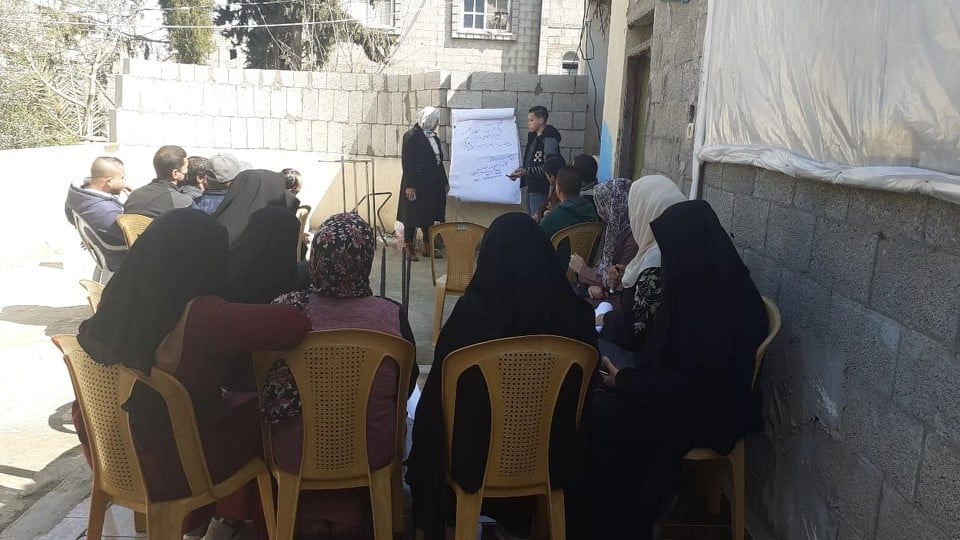
During the meeting, stories were presented of some women who suffer directly from the issue of torn and dispersed families, due to the obstacles and policies pursued by the Israeli occupation.
Lawyer Ms. Islah Hassanieh, Chairperson of the Center’s Board of Directors, stressed the importance of raising awareness of common issues, improving legal services provided to women, and cooperation between women’s rights organizations working in the occupied territories in order to intensify efforts to help dispersed families end their suffering and reunite with their loved ones.