The Center for Women’s Legal Researches, Counselling and Protection (CWLRCP) has asserted that the Israeli Citizenship Law is a discriminatory and unjust law against Palestinian “citizens of Israel” because it severely impacts their family life due to a lack of equality, leading to problems known as “Dispersed Families.”
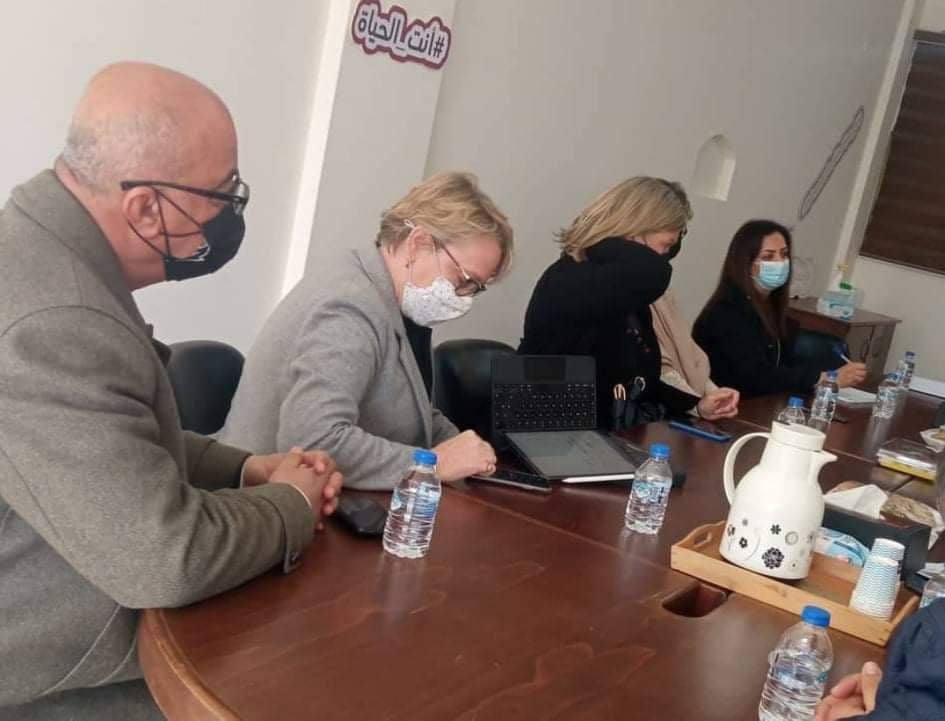
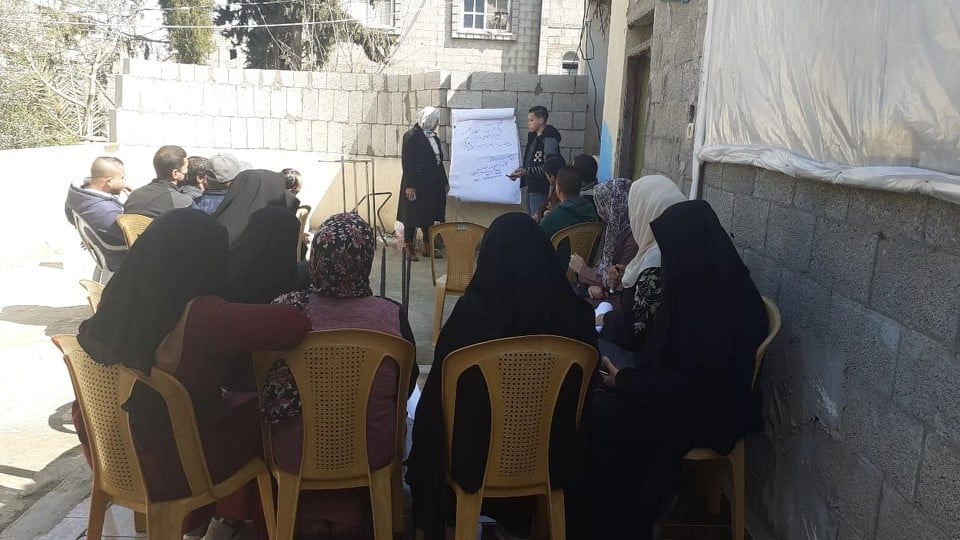
This statement was made during a special meeting held as part of the “Dispersed Families in Light of Conflicting Legislations” project, implemented by the CWLRCP in partnership with the Jerusalem Center for Women and the Legal Guidance Center in Ramallah, with funding from the UNDP and OSI.
Attorney Islah Hassanieh, Head of the Board of Directors of the CWLRCP, stated that the Israeli Citizenship Law was enacted in May 2002 as a temporary law, continuing for six years. Its validity was extended for an additional year, and the extensions have been repeated until now, making it impossible to claim the law is temporary.
Hassanieh explained that this law prevents the reunification of Palestinian families and does not allow Palestinians residing in the West Bank and Gaza Strip to live in Israel with their spouses and children. She emphasized that the Citizenship Law is not only a rejected form of collective punishment and a blatant violation of the human right to form a family, but it also reinforces the policy of discrimination against Arab citizens in Israel, as they are naturally the most affected by this law.
Project Coordinator Tahani Qassem presented an overview of the project, which aims to shed light on the problems faced by dispersed (dismantled) Palestinian families as a result of the differing laws in force in the Palestinian territories occupied by Israel. The project pays particular attention to divorced women who cannot reach their children.
Qassem called upon women’s and civil society organizations in the sector to cooperate with the CWLRCP to identify this group suffering from the issue of dispersed families, in order to work together to uncover them and monitor and document their suffering, to assist them through a broad media campaign to pressure the Israeli government to amend this unjust law against dispersed families to end their suffering and reunite them with their relatives. She emphasized the importance of raising awareness of these issues and improving the legal services provided to women.