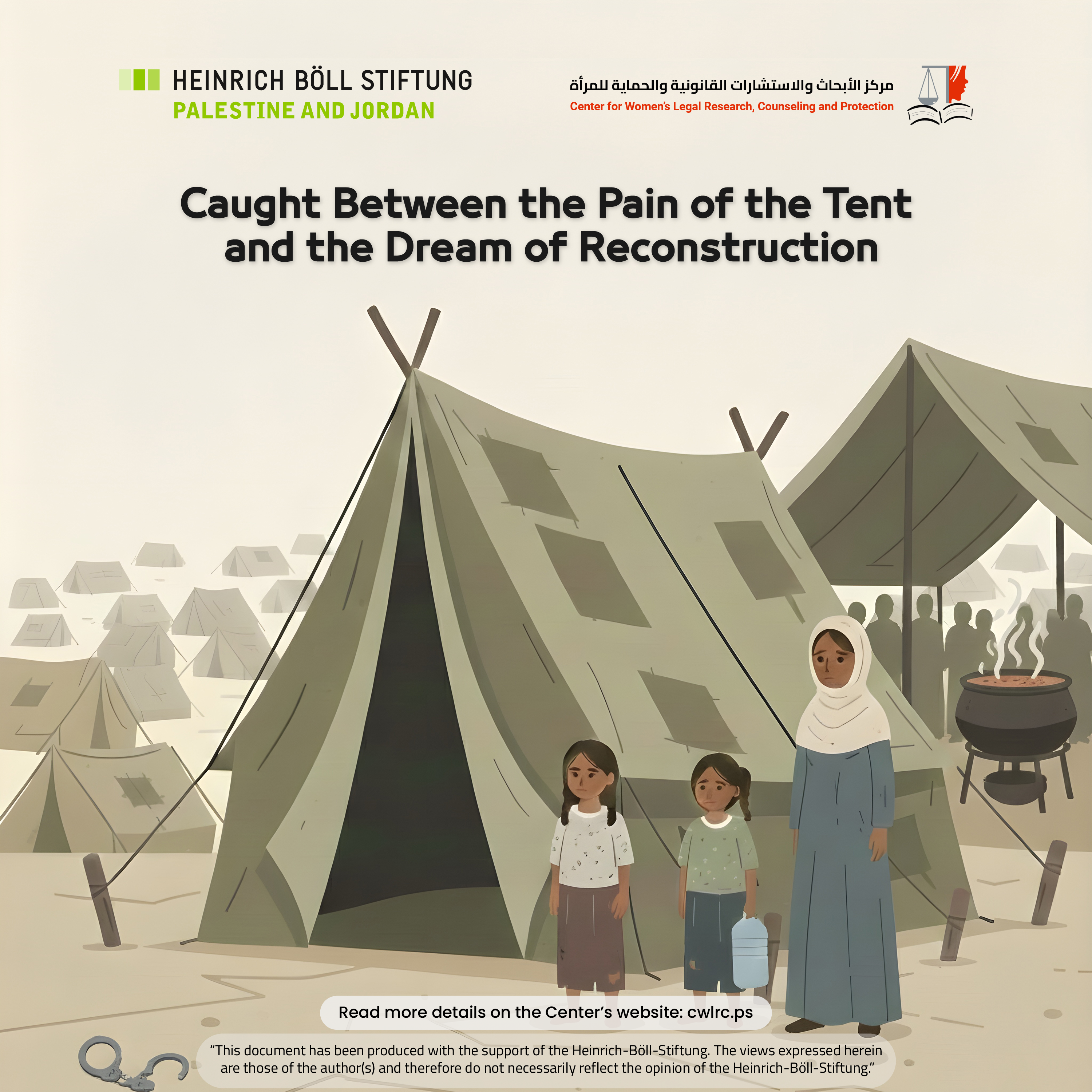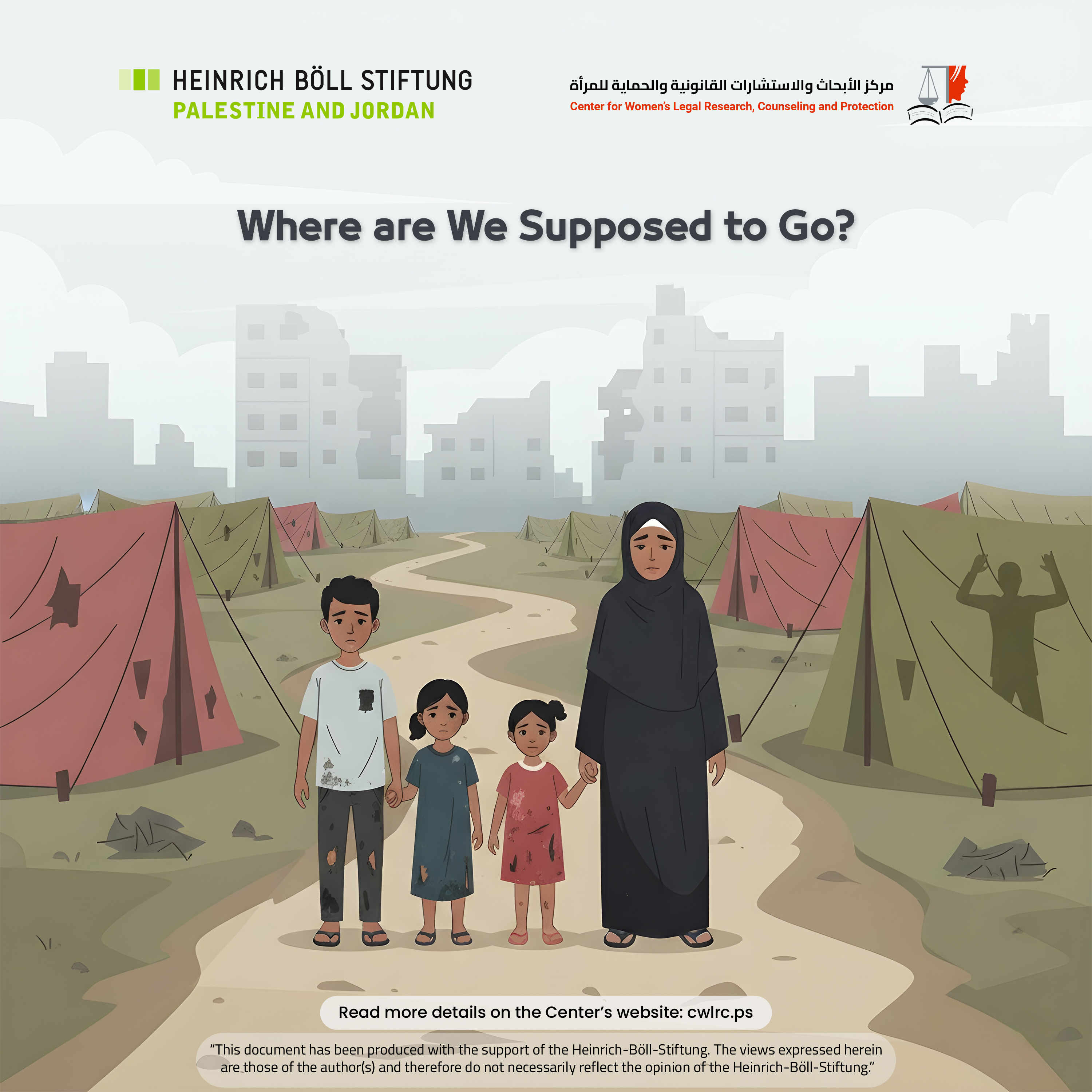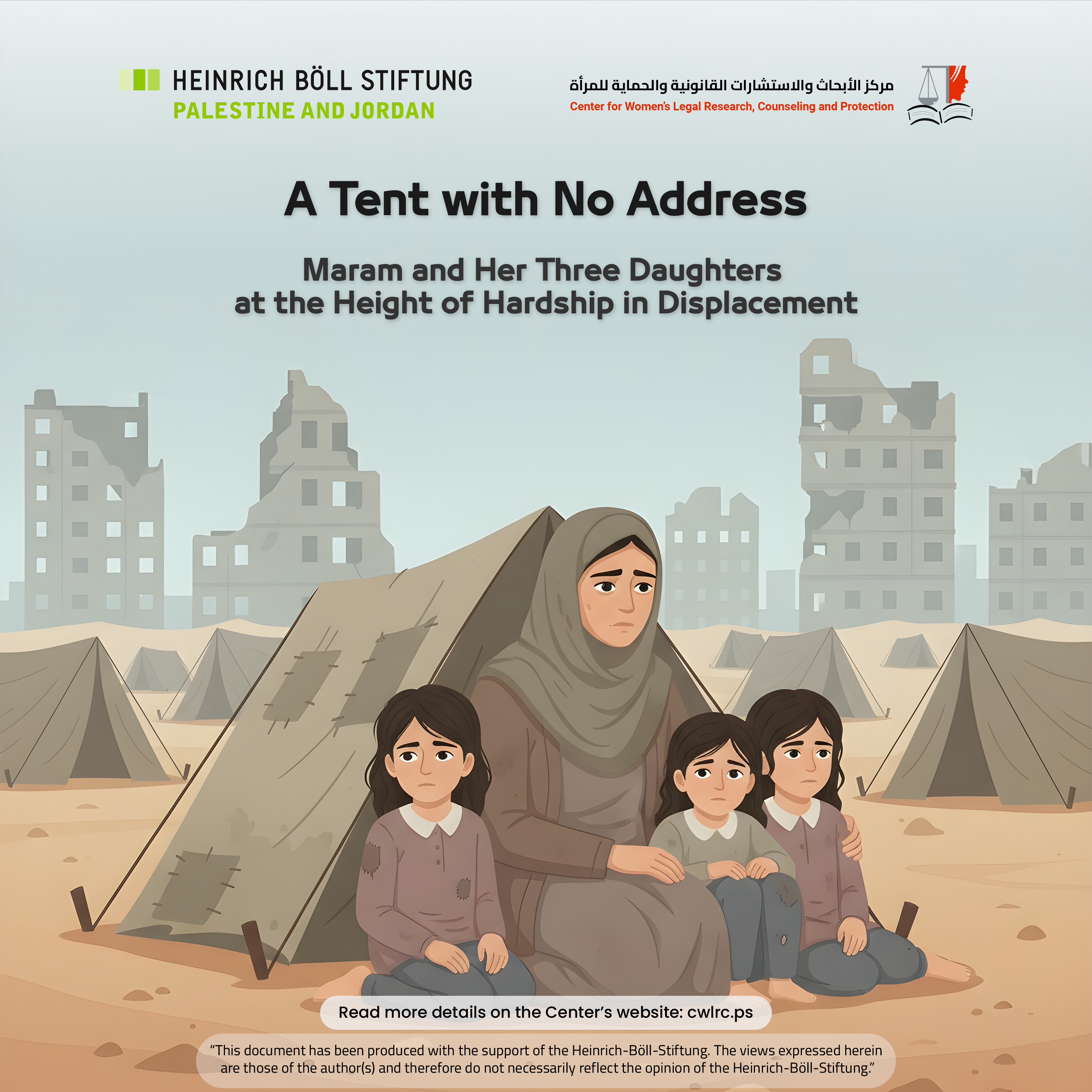
“We arrived at an area close to the Egyptian border. It was all covered in sand dunes, wherever you looked, there were tents. I couldn’t figure out exactly where they (my family) were. I tried to call anyone from my family, but unfortunately, the phone lines were cut off. My daughters and I wandered among the tents, calling out to them…” Maram recounts a moment that seemed to last forever during one of the episodes of displacement she experienced with her three daughters as a result of the ongoing and expanding Israeli aggression of October 7 2023 on the Gaza Strip.
The situation has not been much better before or after that moment, as the brutal Israeli aggression forced Maram and her daughters to flee seven times so far. However, that moment was the hardest, according to Maram, as she lost contact with her family, and had to face the unknown on her own—uncertain whether life under aggression would even grant her the chance to see them again, with death and loss pursuing everyone every second.
“I was displaced with my family several times, staying with our relatives. Then, and due to our large number, we decided to split up to ease the burden. My daughters and I stayed with a relative. The area where my family was staying became under imminent threat of bombing, so they moved elsewhere. My sister called me and sent me their address in Rafah,” Maram recounts what led up to that moment she described earlier. But after a short while, the threats of bombing reached the area where Maram and her daughters, the oldest of whom is 12, were staying. So she decided to use the address her sister had sent her earlier, and to join her family in Rafah. When she arrived there, she couldn’t find anyone, only an endless stretch of sand and tents. Maram sighs as she recalls the cruelty of that moment: “I was confused. I didn’t know where to go or what to do.”
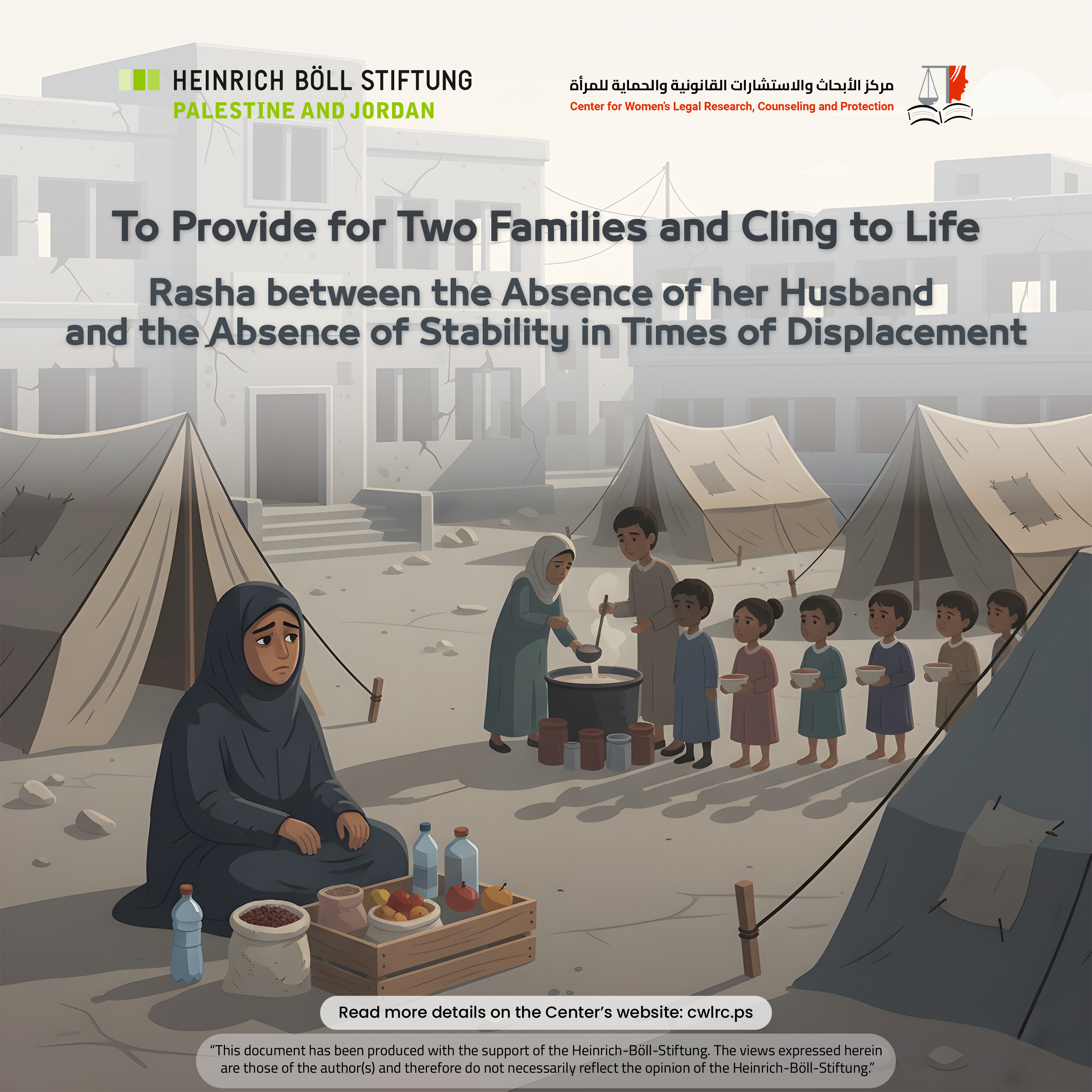
Maram is divorced and is the sole provider for her three girls. She worked for many years and had her own business that provided income for her family. Then came the October 7th aggression, destroying her business and leaving Maram without a source of income, without shelter, and without another breadwinner, after her ex-husband abandoned his responsibilities towards their three daughters.
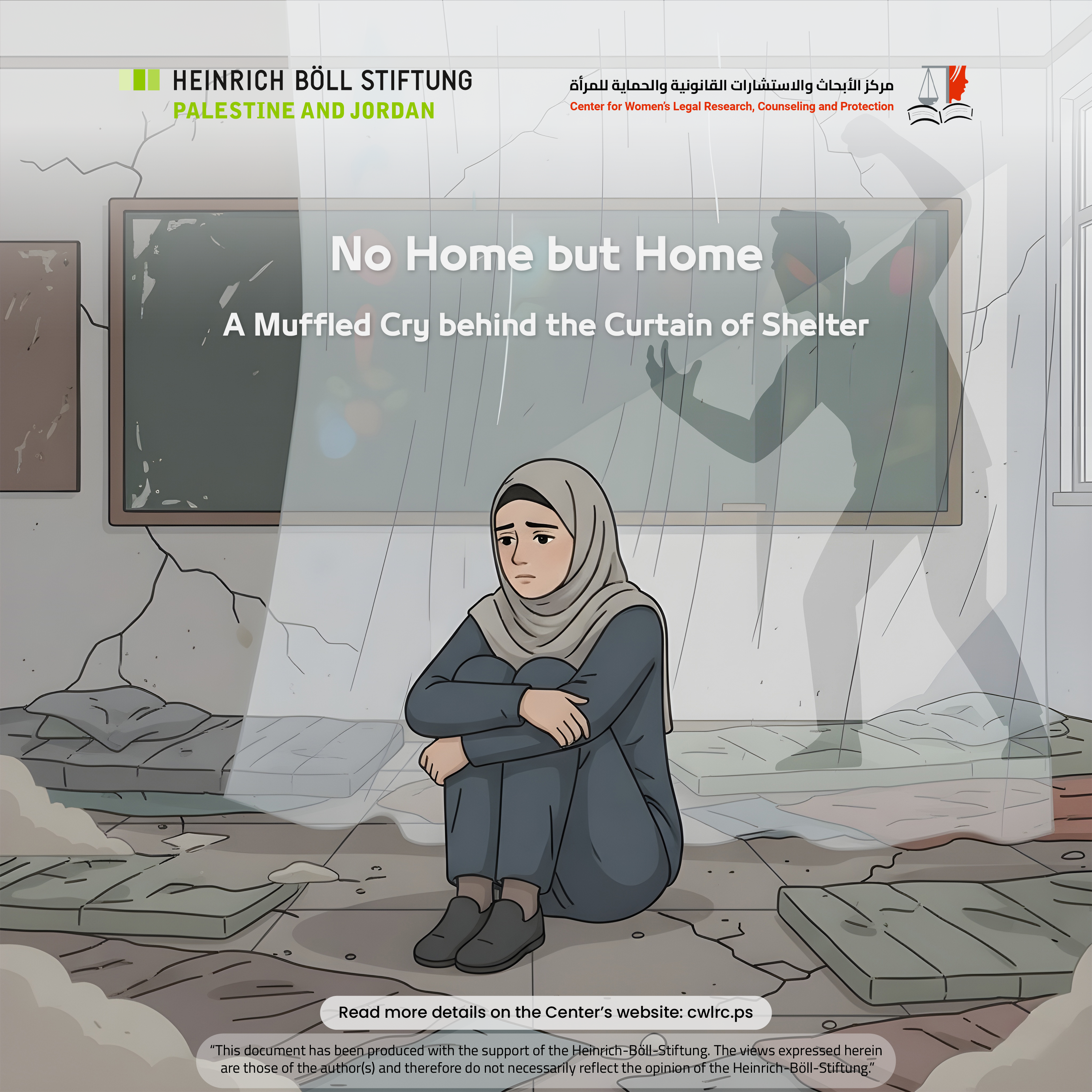
Maram recalls that cruel moment, when all she could see were tents, and she and her daughters called out but no one from her family answered: “I sat down on the sand, exhausted, with my daughters around me, and I started crying. Then my youngest daughter told me she needed the bathroom. I asked around and found out that there was a school nearby. We went there, but unfortunately, they refused to let us use the bathroom, saying we weren’t displaced at that school. I broke down in front of my daughter’s tears and forced our way into the bathroom. Then I went to the principal, but before he even listened to me, and in a very humiliating way, he refused to meet with me saying he cannot because I was on my own and had no man with me.”
With tears filling her eyes, Maram continues: “I found a nearby mosque. It was already late, and we were in the middle of winter, in January. I couldn’t sleep, but I dozed off for a bit; I woke up to the sound of noise and my daughters crying beside me, and someone pointing a gun at me and threatening me to leave.” At dawn the next day, Maram and her daughters had no choice but to return to the tents and continue searching for someone from her family there, but the day ended without them reaching anyone, and she and her girls were exhausted from searching in the sand. “Then we saw a young man setting up a tent for his family, and he offered us a place to stay. I spread some nylon from the remains of the tent over the girls and covered them with some extra clothes. I stayed up all night, feeling as if my heart would stop from the cold and my head would explode from exhaustion and worry.”
But that harsh, freezing night ended with some relief: “Finally morning came. As soon as my daughters stepped outside, they saw their uncle, and they started screaming with joy.” Maram smiles despite her weary face, her skin burnt from the harsh sun on the tents, and her frail body weakened by hunger and the hardships of displacement. Then she returns to reality and continues her sentence: “We set up a tent close to them, but unfortunately, the suffering in the tent is too great—describing it would take volumes.”
Maram’s story does not only recount a harsh journey of displacement, but also reveals a deeper dimension of the suffering endured by women who bear alone the burdens of providing amid insecurity and loss of basic rights. Her struggle reflects that of thousands of women in Gaza, who find themselves facing life and survival without support. Therefore, the reconstruction phase must be designed with solutions that guarantee women safety, dignity, and the ability to move forward. Including women like Maram in shaping and implementing relief and reconstruction plans is not only a fair response to their needs, but also a fundamental condition for building a cohesive society capable of rising again.
Disclaimer: The names used in the previous testimony are aliases.
“This document has been produced with the support of the Heinrich-Böll-Stiftung. The views expressed herein are those of the author(s) and therefore do not necessarily reflect the opinion of the Heinrich-Böll-Stiftung.”